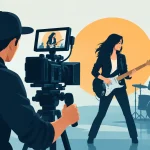
A launch campaign can lose momentum before the message is even read. A mismatched product image, an underlit leadership portrait, or generic event coverage can make a capable brand look unprepared. Brand photography services solve that problem by creating a visual system that looks intentional wherever your audience meets you.
The goal is not simply to collect attractive photos. It is to produce finished assets that carry the same standard across campaigns, social content, websites, internal communications, presentations, and event materials. When the work is planned properly, every image has a job to do.
What Brand Photography Services Should Deliver
Professional brand photography starts with business context. What are you launching? Who needs to see it? Where will the content appear? A strong production partner turns those answers into a focused shot plan, then manages the crew, equipment, lighting, direction, and post-production needed to execute it.
The final result should feel like your brand, not like a collection of unrelated images. That may mean clean, controlled product photography for a consumer campaign, energetic documentation for a live event, executive portraits with a confident editorial feel, or workplace imagery that shows real people at work without looking staged.
For marketing and communications teams, consistency is practical as much as it is creative. It reduces the need to search for usable visuals at the last minute. It gives agencies and internal teams material they can deploy with confidence. It also helps audiences recognize a brand faster, even when they encounter it on different channels.
Start With the Use Case, Not the Camera
The best brief does not begin with a camera specification. It begins with the outcome. A campaign may need a hero image for paid media, vertical crops for social platforms, a set of product details for e-commerce, and behind-the-scenes coverage for public relations. Those needs affect everything from location and lighting to styling, talent, and framing.
A useful briefing conversation should establish the audience, campaign message, channels, required formats, timeline, approvals, and usage requirements. It should also identify what cannot be missed. If a product launch depends on three specific product angles, those shots need to be protected in the schedule before experimental content is added.
This is where production planning earns its value. A thoughtful call sheet, shot list, and production schedule keep a creative day from becoming a series of rushed decisions. They also give stakeholders a clear view of what will happen, who needs to be present, and when approvals are required.
Build for more than one placement
A single horizontal hero photo is rarely enough. Modern campaigns need images that can work across a website banner, LinkedIn post, presentation slide, print placement, and mobile-first social format. That does not mean shooting everything in every possible way. It means planning enough variation to give the marketing team useful options.
For example, an automotive shoot might need a wide environmental image, close details of design features, vertical talent-led images, and clean product frames with room for copy. An event team may need keynote moments, sponsor visibility, audience energy, VIP interactions, and quick-turn selects for same-day posting. Each requirement changes how the crew works on site.
Creative Direction Keeps the Work on Brand
Photography becomes brand photography when visual choices are tied to identity. Color, wardrobe, location, composition, talent direction, and retouching all shape how an audience reads the image. A financial-services campaign may call for calm authority and clean structure. A music release may need bolder contrast, movement, and personality. Neither approach is automatically better. The right approach depends on the message and audience.
Creative direction also prevents a common problem: images that are technically strong but difficult to use. If every frame is tightly composed, there may be no room for campaign headlines. If the styling feels disconnected from the brand, the content may look impressive but fail to support recognition. If the talent does not reflect the intended customer or community, the work can feel performative rather than credible.
The production team should bring recommendations, not just ask for instructions. That includes proposing references, locations, set design, lighting approaches, and shot priorities that fit the brief. Clients still make the final decisions, but they should not have to carry the full creative and operational burden alone.
Production Is Where Planning Becomes Reliable Content
On shoot day, reliability comes from preparation. The right crew arrives with the appropriate camera, lighting, grip, audio, styling, and production support for the scope. A small executive portrait session does not need the same setup as a multi-location commercial campaign, and oversizing a production can waste budget. Understaffing it can cost time, quality, and usable coverage.
That trade-off matters. A lean crew can move quickly in a busy office or event venue. A larger crew gives greater control over lighting, set changes, talent management, and simultaneous content capture. The decision should be based on deliverables, location conditions, schedule pressure, and how much visual precision the campaign requires.
Professional direction matters just as much as equipment. Most employees, executives, and customers are not professional models. Clear, calm guidance helps people look natural on camera and keeps the session moving. For live events, experienced operators anticipate key moments rather than reacting after they happen.
Kals Studio approaches this work as a full production process: brief the project, build the crew and creative plan, execute on site, then deliver polished assets ready for use. That structure is especially valuable when several stakeholders need visibility without turning every decision into a delay.
Post-Production Is Part of the Product
Raw files are not a finished campaign. Selection, color correction, retouching, cropping, file organization, and export formats determine whether the content is genuinely usable after the shoot.
Post-production should preserve authenticity while removing distractions. A portrait may need refined skin retouching, but it should still look like the person in the room. Product photography may require precise color and cleanup, particularly when customers are making purchase decisions from the image. Event images often benefit from quick selection and editing so teams can publish while the moment is still relevant.
Delivery should be organized around how the client works. That can include high-resolution files for print, web-optimized images, social crops, or a defined selection of hero visuals. Naming and grouping assets clearly saves time for marketing teams, agencies, and internal communications staff who may need to find an image months later.
How to Evaluate a Photography Partner
Portfolio quality matters, but it is not the only signal. Look for work that shows control across different environments: polished corporate settings, demanding live events, products, people, and campaign-led storytelling. A strong portfolio should demonstrate more than one visual style while still showing consistent technical standards.
Ask how the team handles briefing, pre-production, on-site coordination, editing, reviews, and delivery. Ask who will be on set, what is included in the scope, and how final assets will be prepared. These details reveal whether you are hiring someone to take photos or a partner who can manage a production.
It is also worth discussing turnaround early. Fast delivery is valuable for events and active campaigns, but speed can affect the volume of editing or the number of revision rounds available. Set the priority upfront: immediate social selects, a carefully retouched campaign library, or a combination of both.
Make Every Shoot Work Harder
The strongest photography projects create a library, not a one-time post. A planned shoot can supply a campaign launch, sales materials, recruitment content, media announcements, executive communications, and future social publishing. That efficiency comes from a brief that looks beyond the first deliverable.
Before you schedule the next shoot, gather the people who will actually use the content. Ask what they repeatedly need but rarely have: credible team imagery, product details, customer interactions, venue coverage, or fresh leadership portraits. Then build those needs into the production plan.
When visual content is treated as a business asset rather than an afterthought, it keeps working long after the cameras are packed away.