Category: Company Insights

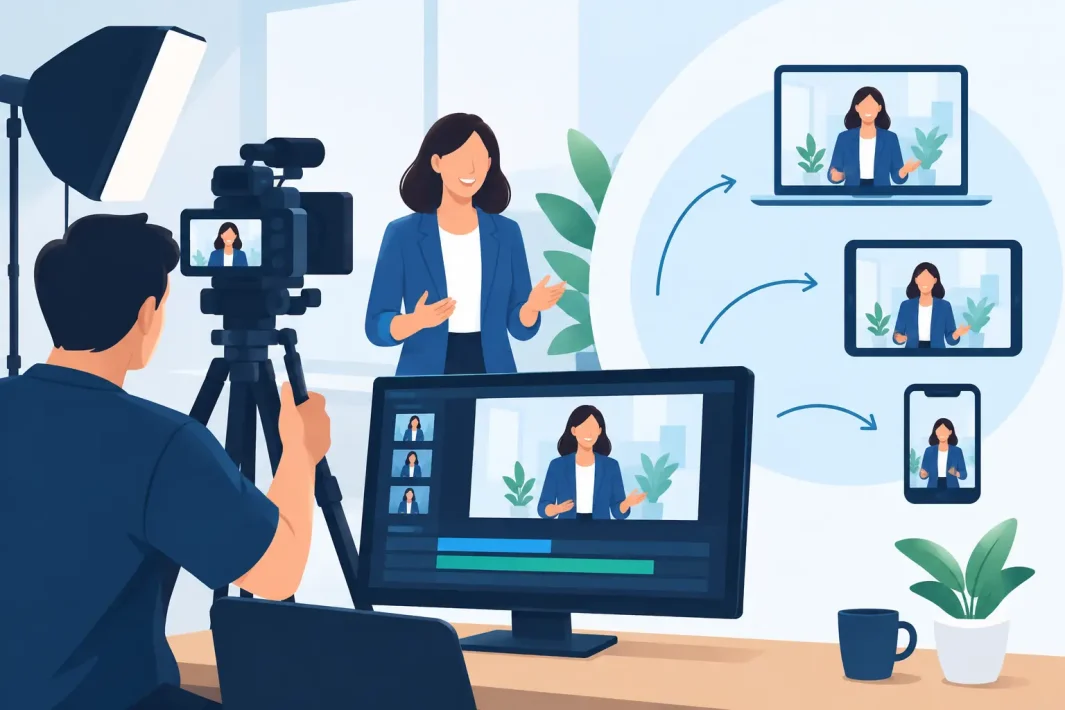
  • Testimonial Video Production That Builds Trust

    Testimonial Video Production That Builds Trust

    A polished campaign can introduce your brand. A customer who explains, in their own words, why they chose you can make the message believable. That is the real value of testimonial video production: it puts proof behind a promise.

    For marketing teams, the challenge is not finding praise. It is turning a positive client relationship into a story that feels specific, natural, and useful across real channels. The finished video needs to support a sales conversation, strengthen a landing page, perform in social placements, or add credibility to an event screen. It cannot feel like a scripted commercial wearing a customer’s name.

    Why testimonial video production works

    Buyers are used to brand claims. They expect companies to say they are efficient, innovative, customer-focused, or high quality. What changes the equation is a credible third party describing a real problem, the decision they made, and the result they experienced.

    A strong testimonial does not rely on generic approval. “They were great to work with” may be sincere, but it gives a prospective customer very little to act on. A more effective story identifies what was at stake: a tight event deadline, a complex operational requirement, a need to improve customer confidence, or a campaign that needed to reach a particular audience. It then shows how the partnership made a measurable or meaningful difference.

    That structure makes testimonial content especially valuable for considered purchases. In financial services, corporate solutions, automotive, technology, and professional services, decisions often involve several stakeholders and longer approval cycles. A customer’s experience can answer concerns that an ad cannot resolve on its own. It can show that the process was manageable, the team was responsive, and the final outcome delivered value.

    Trust is not created by putting a client in front of a camera. It is created by making their story clear enough to recognize and credible enough to believe.

    Start with the story, not the interview questions

    The most common weakness in testimonial videos starts before the cameras arrive. The team decides to “get a client testimonial” without defining the role it needs to play. The result is often a pleasant but unfocused conversation that is difficult to edit into a persuasive piece of content.

    Start with the business objective. Is the video meant to support a product launch, demonstrate service quality, help sales teams address objections, reinforce employer reputation, or create confidence among partners? One customer story can serve several purposes, but the primary use should shape the interview, visual direction, runtime, and deliverables.

    Next, find the tension in the story. Every useful testimonial has a before and after, even if the change is not numerical. Before working with the brand, what challenge did the customer face? What made that challenge difficult? Why did they choose this solution instead of another route? What changed afterward?

    These questions produce stronger material than asking someone to describe a company’s best qualities. They also protect the customer from feeling as if they must perform a sales pitch. The best participants speak from experience, not from a script.

    A practical pre-production conversation should also establish what can and cannot be said. Corporate clients may need approval for performance figures, internal processes, locations, employee appearances, or brand references. Addressing this early protects the production schedule and prevents a strong edit from being held up by avoidable legal or communications review.

    Choose the right spokesperson

    A senior executive can add authority, but seniority alone does not make someone the best interview subject. Look for a person close enough to the experience to describe the problem and outcome with detail. They should be comfortable speaking conversationally, able to explain their role, and authorized to represent the organization.

    Sometimes one spokesperson is enough. In other cases, a short customer testimonial paired with a project lead, end user, or event participant gives the story more dimension. The trade-off is complexity. More voices can provide useful perspective, but they also require clearer editorial direction and more coordination.

    Build proof into the visual plan

    An interview is the backbone of the story. It should not be the only thing viewers see.

    Supporting footage gives the testimonial context. Depending on the project, that may include the customer at work, product use in a real environment, service interactions, an event activation, a facility, or a team collaboration. These visuals do more than make the video look polished. They help viewers understand the customer’s world and provide evidence for what the speaker is saying.

    If a customer talks about speed, show the pace of the operation. If they describe a better experience for their audience, capture those interactions. If the story is about a live event, record the energy before, during, and after the moment that mattered. The visual plan should support the claims, not decorate them.

    Access determines what is possible. A busy workplace may only permit a short filming window. A regulated environment may limit what can appear on screen. A customer may be willing to participate but unable to show proprietary processes. These constraints do not weaken the story when they are planned for. They simply call for a production approach that prioritizes the most meaningful scenes and captures them efficiently.

    Professional lighting, clean audio, and considered framing matter here because they signal care. A testimonial should still feel human, but it should represent both brands at a level appropriate for a major campaign or customer-facing channel. Poor sound is particularly costly. Viewers may forgive an imperfect moment of speech; they rarely stay with an interview they cannot hear clearly.

    Make the interview feel like a conversation

    People become guarded when they think they are expected to deliver a perfect line. A well-run set lowers that pressure. Give the spokesperson time to settle in, explain the process clearly, and let them answer in full thoughts. The goal is not to capture a rehearsed endorsement. It is to uncover moments of clarity, conviction, and personality.

    Questions should move from context to outcome. Begin with their role and the situation they were managing. Ask what made the challenge important, what they considered before choosing a partner, and what stood out during the process. Then explore the result: what improved, what surprised them, and what they would tell another organization facing the same issue.

    Avoid leading questions that force a flattering answer. They create stiff footage and vague language. It is better to ask, “What made the process easier for your team?” than, “Would you say the team was professional?” The first invites a story. The second invites a predictable yes.

    It also helps to ask for examples twice. A first answer may be broad. A follow-up such as “Can you give me a moment when you saw that happen?” often produces the detail that gives the final edit its weight.

    Edit for use, not just applause

    A customer can speak for 20 minutes and deliver a compelling 90-second film. Editing is where the story becomes a usable business asset.

    The strongest cuts usually establish the customer and challenge quickly, introduce the decision or partnership, and land on the result. The pace should respect the channel. A homepage or sales presentation may benefit from a two-minute case-study format. A paid social placement may need a focused 30-second version that reaches the point immediately. For event screens, captions and a visual-first approach become even more important.

    Captions are no longer optional for much of digital distribution. Many viewers encounter video without sound, especially in social feeds or public spaces. Clear on-screen text can reinforce names, roles, key outcomes, and the central message without cluttering the frame.

    Plan for multiple deliverables from the beginning. A master film, short cutdowns, vertical versions, captioned files, and selected stills can give a single production a much longer working life. This is not about creating content for every platform by default. It is about matching the asset package to the campaign plan so the production budget delivers beyond one upload.

    Kals Studio approaches this work as an end-to-end production process: clarify the brief, build the crew and visual setup around the story, capture the right moments, then deliver polished assets ready for deployment. That structure reduces pressure on internal teams while keeping creative decisions connected to the outcome.

    Where testimonial videos can fall short

    Testimonial content is powerful, but it is not a substitute for a clear offer or a strong customer experience. If the message is vague, the video will be vague. If the customer cannot point to a real benefit, no amount of cinematic footage will create one.

    There is also a balance between polish and authenticity. Overly scripted language, excessive music, or dramatic visuals that do not fit the customer’s environment can make a sincere story feel manufactured. On the other hand, treating a testimonial as a casual phone recording may undersell a valuable partnership. The right production level depends on audience expectations, distribution, and the role of the video in the wider campaign.

    The most effective testimonial videos make one promise clear: this customer faced a recognizable challenge, chose a credible path forward, and saw a result worth sharing. Give that story the preparation, production craft, and editorial discipline it deserves. When the customer’s voice is genuinely heard, trust has somewhere real to begin.


  • Product Launch Video That Makes the Moment Matter

    Product Launch Video That Makes the Moment Matter

    A launch date can create attention. A strong product launch video gives that attention somewhere to go. It shows customers what is new, why it matters, and what the product looks like in real use – before a landing page, sales call, or event presentation has to do the heavy lifting.

    For marketing and communications teams, the challenge is rarely deciding whether video belongs in the launch plan. The challenge is producing one asset that feels on-brand, works across channels, and gives internal teams something they can deploy with confidence. That requires more than attractive footage. It requires a clear production plan built around the product, the audience, and the moment of release.

    What a Product Launch Video Needs to Do

    A launch film has a specific job: move a viewer from awareness to understanding and interest. The exact balance depends on the product. A consumer brand may need energy, aspiration, and fast visual impact. A financial-services platform may need clarity and trust. An automotive reveal may need scale, design detail, and a reason to look closer.

    The strongest films do not try to explain every feature. They identify the most persuasive promise and build the story around it. That could be a problem the product removes, a new capability it makes possible, or a design shift that changes how the audience sees the category.

    This focus matters because launch content often has a short window to perform. It may play on an event screen, open a campaign, support a sales presentation, run as paid social content, or sit at the top of a launch page. Viewers should understand the core idea quickly, even if they only see a shortened cut.

    A useful starting question is simple: what should a viewer be able to repeat after watching? If the answer is a list of specifications, the creative direction needs work. If it is one clear statement about value, the production has a strong center.

    Start With the Launch Objective, Not the Shot List

    Beautiful visuals are valuable, but they cannot rescue a vague brief. Before cameras, casting, locations, or motion graphics enter the conversation, define the launch objective. Is the priority brand awareness, lead generation, retailer support, customer education, investor communication, or an event reveal? One video can support several needs, but one needs to lead.

    The audience should shape the story as much as the product does. Existing customers may need to see what has improved. New customers may first need context for the problem being solved. Internal teams may need a version that gives them confidence in the message before they take it to market.

    This is where a production partner earns its place. A structured briefing process turns broad inputs from marketing, product, and leadership teams into a usable creative direction. It identifies the non-negotiables, the approvals required, the key claims that need validation, and the channels that will determine the final formats.

    A practical brief should establish the product promise, target audience, mandatory messaging, visual references, launch date, usage channels, and approval owners. It should also state what cannot be shown. That may include unfinished interfaces, confidential product details, restricted locations, or claims awaiting legal clearance. Resolving these decisions early protects both the schedule and the final edit.

    Build the Story Around a Clear Reveal

    A product launch video does not need a complicated plot. It needs momentum. Most effective launch films move through three connected beats: create anticipation, reveal the product and its value, then show what happens next.

    The opening should earn attention without delaying the point. For a design-led product, this may mean controlled close-ups, sound design, and a deliberate reveal. For a service or software launch, it may be a recognizable customer problem shown with pace and precision. The choice depends on the category. Mystery can work for a major event reveal; it can frustrate viewers who need an immediate explanation on a social feed.

    The middle is where the product proves itself. This is the place for demonstrations, human use cases, product details, expert voices, or carefully directed brand visuals. A feature should appear because it supports the central promise, not because it exists on a specification sheet.

    The ending should give the campaign direction. It might point viewers toward a launch event, a sales team, a preorder date, a website, or a broader brand message. The call to action does not always need to be spoken, but it should be unmistakable in the picture, graphics, or final frame.

    Production Quality Is a Business Decision

    When a product is new, every visible detail carries extra weight. Lighting affects how materials, finishes, packaging, and screens are perceived. Camera movement affects energy and premium feel. Sound affects whether a reveal lands with impact or feels flat. Editing determines whether the message feels considered or rushed.

    This is why a polished launch production is not simply an aesthetic preference. It helps protect brand credibility at the exact point customers are forming an impression. For a high-value product, low-quality visuals can create a mismatch between the promise and the presentation. For a technical product, unclear filming can make simple benefits feel harder to understand than they are.

    Production also needs to account for reality. Products may be available only in limited quantities. The location may have tight access windows. A spokesperson may have one hour between meetings. The launch date may be fixed well before the final product is ready. A capable crew plans for these constraints with a defined shot strategy, proper lighting and audio setup, backup options, and a clear filming schedule.

    Kals Studio approaches this work as a complete production process: briefing, creative planning, on-site execution, post-production, and delivery of finished assets ready for use. The goal is to reduce coordination pressure on the client team while keeping the work creatively sharp.

    Plan for More Than One Version

    A hero film is often the centerpiece of the launch, but it should not be the only deliverable. The same production day can create a focused content set for different placements, provided those needs are planned before filming.

    A longer version may work for a launch event, website, or sales presentation. Shorter edits can carry the headline message into social channels, paid placements, and internal announcements. Vertical crops may be essential for mobile-first distribution. Still photography, product cutdowns, behind-the-scenes moments, and clean product shots can extend the campaign without requiring another full shoot.

    This is not an argument for producing every possible format. More assets are only useful when they have a defined role. A lean launch may need one hero video, a short teaser, and a few social cutdowns. A major campaign with retail, event, PR, and digital activity may justify a larger content package. The right scope depends on distribution, budget, and how long the launch message needs to remain active.

    The key is designing for adaptability. Frame key action so it can crop well. Capture clean audio for alternate edits. Allow time for product-only shots, detail shots, and usable transitions. Confirm graphic safe areas for multiple platforms. These practical choices give the post-production team room to build versions without weakening the visual standard.

    Keep Feedback Focused and Approval Ready

    Launch videos often involve multiple stakeholders, which can improve accuracy but also slow decisions. The solution is not to reduce collaboration. It is to organize it.

    Agree on who owns final approval before production begins. Separate factual feedback from personal preference. If a comment changes the central message, treat it as a strategic decision. If it concerns a frame, color, pacing, or music cue, assess it against the agreed creative direction.

    It also helps to review the film in stages. Script and storyboard approval protect the narrative. A first edit checks structure and messaging. Later review rounds refine pacing, graphics, sound, and finishing details. Waiting until the near-final version to debate the concept is expensive and puts the launch schedule at risk.

    Give the Launch a Visual Standard Worth Remembering

    The best launch videos make the product feel real before the audience can touch it. They are clear enough for a first-time viewer, polished enough for a flagship campaign, and flexible enough to serve the channels that follow.

    A well-planned production gives the product its moment, then gives your team the assets to keep that moment moving.

  • Brand Photography Services That Build Trust

    Brand Photography Services That Build Trust

    A launch campaign can lose momentum before the message is even read. A mismatched product image, an underlit leadership portrait, or generic event coverage can make a capable brand look unprepared. Brand photography services solve that problem by creating a visual system that looks intentional wherever your audience meets you.

    The goal is not simply to collect attractive photos. It is to produce finished assets that carry the same standard across campaigns, social content, websites, internal communications, presentations, and event materials. When the work is planned properly, every image has a job to do.

    What Brand Photography Services Should Deliver

    Professional brand photography starts with business context. What are you launching? Who needs to see it? Where will the content appear? A strong production partner turns those answers into a focused shot plan, then manages the crew, equipment, lighting, direction, and post-production needed to execute it.

    The final result should feel like your brand, not like a collection of unrelated images. That may mean clean, controlled product photography for a consumer campaign, energetic documentation for a live event, executive portraits with a confident editorial feel, or workplace imagery that shows real people at work without looking staged.

    For marketing and communications teams, consistency is practical as much as it is creative. It reduces the need to search for usable visuals at the last minute. It gives agencies and internal teams material they can deploy with confidence. It also helps audiences recognize a brand faster, even when they encounter it on different channels.

    Start With the Use Case, Not the Camera

    The best brief does not begin with a camera specification. It begins with the outcome. A campaign may need a hero image for paid media, vertical crops for social platforms, a set of product details for e-commerce, and behind-the-scenes coverage for public relations. Those needs affect everything from location and lighting to styling, talent, and framing.

    A useful briefing conversation should establish the audience, campaign message, channels, required formats, timeline, approvals, and usage requirements. It should also identify what cannot be missed. If a product launch depends on three specific product angles, those shots need to be protected in the schedule before experimental content is added.

    This is where production planning earns its value. A thoughtful call sheet, shot list, and production schedule keep a creative day from becoming a series of rushed decisions. They also give stakeholders a clear view of what will happen, who needs to be present, and when approvals are required.

    Build for more than one placement

    A single horizontal hero photo is rarely enough. Modern campaigns need images that can work across a website banner, LinkedIn post, presentation slide, print placement, and mobile-first social format. That does not mean shooting everything in every possible way. It means planning enough variation to give the marketing team useful options.

    For example, an automotive shoot might need a wide environmental image, close details of design features, vertical talent-led images, and clean product frames with room for copy. An event team may need keynote moments, sponsor visibility, audience energy, VIP interactions, and quick-turn selects for same-day posting. Each requirement changes how the crew works on site.

    Creative Direction Keeps the Work on Brand

    Photography becomes brand photography when visual choices are tied to identity. Color, wardrobe, location, composition, talent direction, and retouching all shape how an audience reads the image. A financial-services campaign may call for calm authority and clean structure. A music release may need bolder contrast, movement, and personality. Neither approach is automatically better. The right approach depends on the message and audience.

    Creative direction also prevents a common problem: images that are technically strong but difficult to use. If every frame is tightly composed, there may be no room for campaign headlines. If the styling feels disconnected from the brand, the content may look impressive but fail to support recognition. If the talent does not reflect the intended customer or community, the work can feel performative rather than credible.

    The production team should bring recommendations, not just ask for instructions. That includes proposing references, locations, set design, lighting approaches, and shot priorities that fit the brief. Clients still make the final decisions, but they should not have to carry the full creative and operational burden alone.

    Production Is Where Planning Becomes Reliable Content

    On shoot day, reliability comes from preparation. The right crew arrives with the appropriate camera, lighting, grip, audio, styling, and production support for the scope. A small executive portrait session does not need the same setup as a multi-location commercial campaign, and oversizing a production can waste budget. Understaffing it can cost time, quality, and usable coverage.

    That trade-off matters. A lean crew can move quickly in a busy office or event venue. A larger crew gives greater control over lighting, set changes, talent management, and simultaneous content capture. The decision should be based on deliverables, location conditions, schedule pressure, and how much visual precision the campaign requires.

    Professional direction matters just as much as equipment. Most employees, executives, and customers are not professional models. Clear, calm guidance helps people look natural on camera and keeps the session moving. For live events, experienced operators anticipate key moments rather than reacting after they happen.

    Kals Studio approaches this work as a full production process: brief the project, build the crew and creative plan, execute on site, then deliver polished assets ready for use. That structure is especially valuable when several stakeholders need visibility without turning every decision into a delay.

    Post-Production Is Part of the Product

    Raw files are not a finished campaign. Selection, color correction, retouching, cropping, file organization, and export formats determine whether the content is genuinely usable after the shoot.

    Post-production should preserve authenticity while removing distractions. A portrait may need refined skin retouching, but it should still look like the person in the room. Product photography may require precise color and cleanup, particularly when customers are making purchase decisions from the image. Event images often benefit from quick selection and editing so teams can publish while the moment is still relevant.

    Delivery should be organized around how the client works. That can include high-resolution files for print, web-optimized images, social crops, or a defined selection of hero visuals. Naming and grouping assets clearly saves time for marketing teams, agencies, and internal communications staff who may need to find an image months later.

    How to Evaluate a Photography Partner

    Portfolio quality matters, but it is not the only signal. Look for work that shows control across different environments: polished corporate settings, demanding live events, products, people, and campaign-led storytelling. A strong portfolio should demonstrate more than one visual style while still showing consistent technical standards.

    Ask how the team handles briefing, pre-production, on-site coordination, editing, reviews, and delivery. Ask who will be on set, what is included in the scope, and how final assets will be prepared. These details reveal whether you are hiring someone to take photos or a partner who can manage a production.

    It is also worth discussing turnaround early. Fast delivery is valuable for events and active campaigns, but speed can affect the volume of editing or the number of revision rounds available. Set the priority upfront: immediate social selects, a carefully retouched campaign library, or a combination of both.

    Make Every Shoot Work Harder

    The strongest photography projects create a library, not a one-time post. A planned shoot can supply a campaign launch, sales materials, recruitment content, media announcements, executive communications, and future social publishing. That efficiency comes from a brief that looks beyond the first deliverable.

    Before you schedule the next shoot, gather the people who will actually use the content. Ask what they repeatedly need but rarely have: credible team imagery, product details, customer interactions, venue coverage, or fresh leadership portraits. Then build those needs into the production plan.

    When visual content is treated as a business asset rather than an afterthought, it keeps working long after the cameras are packed away.

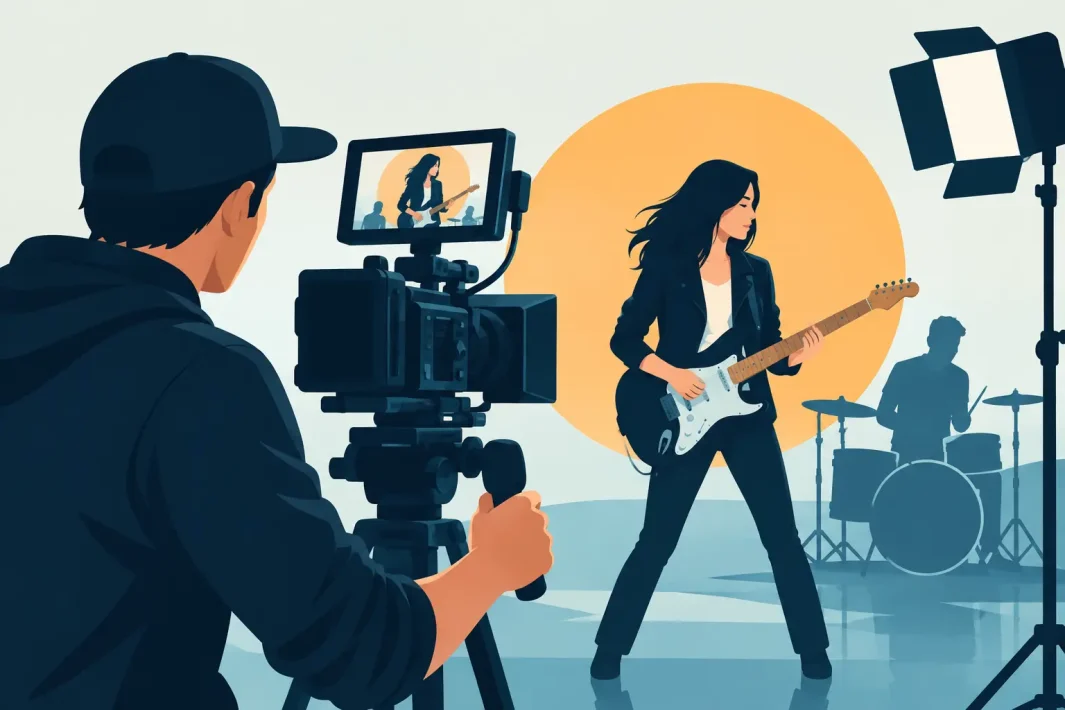
  • Music Video Production That Holds Attention

    Music Video Production That Holds Attention

    A track can be technically excellent and still disappear the moment it reaches a crowded feed. Music video production gives the release a visual identity people can recognize, replay, and share. For artists, labels, and brand partners, the job is not simply to film a performance. It is to create a complete visual asset that makes the music feel bigger and gives the campaign a clear point of view.

    The strongest videos balance ambition with control. They look distinctive, but every creative choice supports the song, the artist, and the audience. That takes more than a good camera and a compelling location. It takes a production process that turns an initial idea into a finished release without losing momentum along the way.

    What Music Video Production Needs to Deliver

    A music video has to work on multiple levels. It should hold attention in its first few seconds, create memorable images for the full release, and provide moments that can be cut into short-form content. It also needs to feel authentic to the artist. A cinematic concept that does not match the performer, genre, or release strategy will look polished but land flat.

    This is why planning should begin with the outcome, not the equipment list. Is the goal to launch a new artist? Support a single with a hero visual? Build content around an album campaign? Create a branded collaboration? Each objective changes the creative approach, scale, schedule, and deliverables.

    For an emerging artist, a focused concept with one strong location may be more effective than a larger shoot with too many disconnected ideas. For an established act, the visual may need to reinforce a recognizable identity while still giving fans something new. Brand-backed projects require another layer of consideration: product visibility, approvals, usage requirements, and audience expectations all need to be built into the creative from the start.

    A finished music video should not feel like a collection of attractive shots. It should have a visual logic. That might come from a narrative, a performance setup, movement, color, production design, or a repeated image that becomes associated with the song.

    Start With a Brief That Makes Decisions Easier

    A useful creative brief gives the entire crew a shared direction. It does not need to overexplain every frame, but it should answer the questions that protect the project from confusion on set.

    The brief should establish the song, artist positioning, target audience, release date, preferred visual references, likely platforms, and practical boundaries. Budget and timeline are not restrictions to hide from the creative team. They are production facts that help shape a concept that can be executed well.

    A treatment then turns that brief into a clear creative plan. It may describe the mood, story, performance style, locations, wardrobe direction, lighting approach, and key visual moments. This is where a promising idea becomes a production-ready one.

    Consider the difference between saying, “We want it to feel premium,” and defining what premium means for the project. Does that mean controlled studio lighting, clean wardrobe styling, a dramatic nighttime location, camera movement, or minimal art direction? Specific direction makes approvals faster and helps every department work toward the same result.

    The song should lead the visual pace

    The edit should feel connected to the music rather than merely placed on top of it. A slow, intimate track may need stillness, close framing, and room for the artist’s expression. A high-energy release may need movement, fast transitions, choreography, or bold changes in scale.

    That does not mean every beat requires a cut. Over-editing can reduce impact, especially when the strongest moment is a performance held long enough for viewers to connect with it. Pacing is a creative decision. It depends on the genre, the artist, and where the video will be seen.

    Pre-Production Is Where the Video Becomes Possible

    Most avoidable production problems begin before filming. A good concept can lose its power when locations, talent, props, wardrobe, permissions, or timing are left unresolved until shoot day.

    Pre-production organizes the work behind the camera. That includes location scouting, shot planning, production scheduling, casting where needed, crew assignments, equipment preparation, wardrobe coordination, and contingency planning. It also identifies what must be captured for the main video and what can be captured for supporting social content.

    A shot list should guide the day without making it rigid. Music video shoots often benefit from spontaneous moments: a change in natural light, an artist finding a stronger performance choice, or a camera move that reveals a better composition. The crew needs structure to recognize those opportunities without missing essential coverage.

    There are trade-offs at every scale. More locations can create visual variety, but they also consume time through travel, setup, and resets. A larger cast can add energy, but it increases coordination. Practical effects can create real texture, while visual effects can expand the concept in post-production. Neither approach is automatically better. The right choice is the one that serves the idea and can be delivered to the required standard.

    On Set, Execution Protects the Creative Idea

    Production day is where preparation becomes visible. The director, producer, camera team, lighting crew, art department, stylists, and talent all need to move with a shared rhythm. When that coordination is strong, the artist can focus on performance rather than logistics.

    Professional camera, lighting, and grip setups are not there to make a set look impressive. They create control. Lighting shapes mood and keeps the artist looking consistent across takes. Camera choices affect intimacy, energy, and scale. Sound playback must be reliable so performance stays in sync. Every department supports the final frame.

    Performance coverage deserves particular attention. Even a narrative-led video needs enough strong performance material to carry the song in the edit. This usually means filming complete or partial takes from multiple angles, alongside detail shots and planned inserts. The editor needs options, especially around key lyrics, choruses, and transitions.

    It also helps to shoot with the release ecosystem in mind. Vertical clips, behind-the-scenes moments, teaser shots, cover-image options, and clean promotional stills can all be captured during the same production window when planned early. This reduces the need to rebuild the visual world later for social assets.

    Post-Production Is Where the Release Takes Shape

    Editing is not an administrative final step. It is where the visual rhythm of the video is built. The first cut tests whether the performance, narrative, and atmosphere work together. It reveals what needs to be emphasized, what needs to be removed, and where the audience needs a stronger reason to keep watching.

    A disciplined post-production process includes edit review, color grading, sound finishing when required, visual effects or graphics, and delivery in the right formats. Feedback should be consolidated wherever possible. Multiple uncoordinated review streams can turn useful notes into contradictory direction and extend the schedule without improving the work.

    Color grading is especially important for a music release because it helps create a consistent world. It can make studio footage feel atmospheric, unify scenes filmed across different locations, or sharpen a bold visual identity. The goal is not to apply a fashionable look. It is to make the finished video feel intentional.

    Final delivery should be practical as well as polished. A campaign may require a master video, social cutdowns, vertical versions, teaser edits, thumbnail-ready stills, and files tailored for different platforms. Ready-to-use assets give artists and marketing teams the ability to move quickly when release momentum matters most.

    A Better Production Partner Reduces Friction

    For artists and teams managing a release, the pressure usually sits outside the frame: schedules, approvals, budget decisions, crew coordination, changing ideas, and the need to deliver on time. A full-service production partner should reduce that burden, not add to it.

    Kals Studio approaches music video work through a clear production flow: align on the brief, build the creative and technical plan, execute with an experienced crew, then deliver finished assets built for release. The benefit is not simply having people on set. It is having a team that can connect creative direction to practical execution.

    The best collaboration leaves room for the artist’s voice while giving the project the structure it needs. Bring the reference images, the half-formed idea, or simply the feeling the song needs to create. With the right planning and a crew that knows how to shape a shoot around that direction, the final video can give the release a place to live long after the first listen.

  • Commercial Video Production That Gets Used

    Commercial Video Production That Gets Used

    A campaign can have a strong media budget, a sharp message, and a perfectly timed launch. But if the video feels generic, sounds thin, or arrives in the wrong format, it becomes the asset no one wants to use. Commercial video production is not simply the act of filming an ad. It is the disciplined process of turning a business objective into finished visual content that people can watch, trust, remember, and deploy.

    For marketing teams, communications leaders, and event organizers, the goal is rarely one hero video alone. The real requirement is a set of polished assets that can work across paid media, social channels, sales presentations, internal communications, event screens, and future campaign cutdowns. That requires clear thinking before the cameras arrive.

    What Commercial Video Production Must Deliver

    A strong commercial video has to do two jobs at once. It needs to create a feeling, whether that is confidence, excitement, curiosity, or trust. It also needs to perform a specific business function: introduce a product, build brand recognition, explain a service, support a launch, drive attendance, or give a campaign a distinct visual identity.

    That is why polished footage alone is not enough. A cinematic shot of a product can be useful, but only when it supports the message, audience, and placement. A video made for a large event screen needs a different pace from one designed to stop a viewer mid-scroll. A corporate brand film may need leadership voices and proof points, while a consumer spot may rely on energy, rhythm, and a single memorable product moment.

    The best production decisions are made around those differences early. When the objective is clear, the creative direction becomes more focused, the shoot becomes more efficient, and the final edit has a stronger purpose.

    Start With the Brief, Not the Camera

    The project brief is where commercial value is protected. Before discussing lenses, locations, or visual references, establish what the audience needs to understand or feel after watching. Define the primary audience, the core message, the campaign context, and the action the video should encourage.

    A useful brief also identifies where the content will live. A 30-second paid placement, a 90-second website film, a vertical social edit, and a looping event display may come from the same production day, but they should not be treated as afterthoughts. Their framing, runtime, opening seconds, text treatment, and sound requirements can differ significantly.

    This is also the time to agree on practical boundaries. Budget, timeline, approval process, talent availability, brand guidelines, product readiness, legal requirements, and location access all affect the creative route. Constraints do not automatically limit quality. They can help a team make better choices, provided they are visible from the start.

    For example, if a client needs content quickly for a product release, a focused studio shoot with controlled lighting may be more effective than a multi-location concept that risks delay. If the campaign needs broad emotional impact, investing in real locations, cast direction, and art direction may matter more than adding extra shooting days without a clear creative reason.

    Build a Concept That Can Survive Production

    A concept should look compelling on a treatment document, but it must also work in the real world. Can the key scenes be filmed within the available schedule? Is the product available in its final form? Does the location support the lighting, sound, and movement the story requires? Will the message still be clear if the final edit is shortened for social media?

    These are production questions, not obstacles to creativity. They prevent a common problem: approving an ambitious idea, then compromising the parts that made it distinctive once time and logistics begin to tighten.

    A capable production partner translates creative direction into a workable plan. That often includes a script or messaging outline, shot list, storyboard, production schedule, crew structure, equipment plan, location requirements, styling needs, and delivery specifications. Each document keeps the project moving toward the intended outcome rather than relying on assumptions on shoot day.

    The right level of planning depends on the project. A fast-turnaround interview-led campaign may need a concise briefing and a tightly managed call sheet. A major brand commercial may need pre-production meetings, casting, set design, detailed storyboards, and multiple rounds of creative review. The process should fit the risk and ambition of the work.

    The Crew Shapes the Final Quality

    Commercial video production is a team effort. The camera is only one part of the result. Lighting creates shape and mood. Audio makes interviews, dialogue, and live moments credible. Production management keeps people, timing, permissions, and equipment organized. Direction ensures the performance and visual story remain aligned with the brief.

    This matters especially when a client is working with senior stakeholders, talent, customers, or a live audience. There is little value in a beautiful concept if filming disrupts operations, causes uncertainty on set, or leaves contributors unsure of what they need to do. A prepared crew creates calm around the process. That allows the client team to focus on the message and the people in front of the camera.

    The production setup should match the assignment. A corporate leadership video may call for a refined interview environment, controlled lighting, teleprompter support, and clean sound capture. An automotive launch may require motion planning, safety coordination, product detailing, and a visual approach that communicates performance. An event film needs a crew that can respond to changing schedules while still capturing the moments that matter.

    Consistency is often the difference between content that looks professional and content that merely looks recorded. The same attention should carry through framing, lighting, audio, styling, brand details, and on-set direction.

    Plan for More Than One Final Video

    One of the most effective ways to increase the return on a production is to plan the asset mix before filming. A single shoot can support a campaign hero film, shorter cutdowns, vertical edits, testimonials, product clips, event highlights, still imagery, and behind-the-scenes material. But this only works when the crew knows what must be captured for each format.

    A horizontal interview may need alternate framing for vertical crops. A social edit may require clean openings without slow introductions. Product shots may need space for on-screen copy. Event coverage may need both wide establishing visuals and close human reactions. These details are easy to miss if the entire day is built around one final master video.

    More assets are not always better. The priority is useful coverage with a clear role in the campaign. A smaller set of well-planned deliverables will usually outperform a large folder of similar clips that no one has time to organize or edit.

    Post-Production Is Where the Story Takes Its Final Form

    Editing is not a technical cleanup stage. It is where pacing, performance, music, graphics, sound design, color, and message come together. The edit determines what the audience notices first, where the emotion builds, how the brand appears, and whether the call to action lands naturally.

    A reliable post-production workflow begins with organized footage and a clear editorial direction. The first cut should address structure and messaging before the team spends time on fine visual adjustments. Feedback is most useful when it is consolidated, specific, and tied to the agreed objective. Vague requests to make a video “more exciting” can lead to unnecessary revision cycles unless the team identifies whether the issue is pace, music, performance, copy, or visual contrast.

    Final delivery should be equally deliberate. Files need to be prepared for their intended platforms, with the right dimensions, runtimes, captions where needed, and versions for paid, organic, internal, or event use. A finished video is only finished when it is ready for the people who need to publish it.

    At Kals Studio, that end-to-end approach keeps planning, production, and delivery connected. Clients are not left managing separate crews, raw footage, and unclear post-production handoffs. The focus stays on creating content that is built to be used.

    Choose a Partner for Execution, Not Just a Showreel

    A strong portfolio matters because it shows visual taste and production range. But the right production partner also needs to demonstrate how they handle communication, scheduling, approvals, technical preparation, and delivery under real commercial conditions.

    Ask how the team approaches the brief, what is included in pre-production, who will be on set, how feedback is managed, and what final assets will be delivered. Look for a partner that can explain the process clearly without burying the conversation in technical language.

    The best commercial work feels effortless to the viewer because the work behind it was carefully organized. Give the production team a clear business goal, involve the right decision-makers early, and leave room for creative judgment on set. The result will not just look polished. It will have a job to do, and it will be ready to do it.