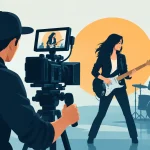
A campaign can have a strong media budget, a sharp message, and a perfectly timed launch. But if the video feels generic, sounds thin, or arrives in the wrong format, it becomes the asset no one wants to use. Commercial video production is not simply the act of filming an ad. It is the disciplined process of turning a business objective into finished visual content that people can watch, trust, remember, and deploy.
For marketing teams, communications leaders, and event organizers, the goal is rarely one hero video alone. The real requirement is a set of polished assets that can work across paid media, social channels, sales presentations, internal communications, event screens, and future campaign cutdowns. That requires clear thinking before the cameras arrive.
What Commercial Video Production Must Deliver
A strong commercial video has to do two jobs at once. It needs to create a feeling, whether that is confidence, excitement, curiosity, or trust. It also needs to perform a specific business function: introduce a product, build brand recognition, explain a service, support a launch, drive attendance, or give a campaign a distinct visual identity.
That is why polished footage alone is not enough. A cinematic shot of a product can be useful, but only when it supports the message, audience, and placement. A video made for a large event screen needs a different pace from one designed to stop a viewer mid-scroll. A corporate brand film may need leadership voices and proof points, while a consumer spot may rely on energy, rhythm, and a single memorable product moment.
The best production decisions are made around those differences early. When the objective is clear, the creative direction becomes more focused, the shoot becomes more efficient, and the final edit has a stronger purpose.
Start With the Brief, Not the Camera
The project brief is where commercial value is protected. Before discussing lenses, locations, or visual references, establish what the audience needs to understand or feel after watching. Define the primary audience, the core message, the campaign context, and the action the video should encourage.
A useful brief also identifies where the content will live. A 30-second paid placement, a 90-second website film, a vertical social edit, and a looping event display may come from the same production day, but they should not be treated as afterthoughts. Their framing, runtime, opening seconds, text treatment, and sound requirements can differ significantly.
This is also the time to agree on practical boundaries. Budget, timeline, approval process, talent availability, brand guidelines, product readiness, legal requirements, and location access all affect the creative route. Constraints do not automatically limit quality. They can help a team make better choices, provided they are visible from the start.
For example, if a client needs content quickly for a product release, a focused studio shoot with controlled lighting may be more effective than a multi-location concept that risks delay. If the campaign needs broad emotional impact, investing in real locations, cast direction, and art direction may matter more than adding extra shooting days without a clear creative reason.
Build a Concept That Can Survive Production
A concept should look compelling on a treatment document, but it must also work in the real world. Can the key scenes be filmed within the available schedule? Is the product available in its final form? Does the location support the lighting, sound, and movement the story requires? Will the message still be clear if the final edit is shortened for social media?
These are production questions, not obstacles to creativity. They prevent a common problem: approving an ambitious idea, then compromising the parts that made it distinctive once time and logistics begin to tighten.
A capable production partner translates creative direction into a workable plan. That often includes a script or messaging outline, shot list, storyboard, production schedule, crew structure, equipment plan, location requirements, styling needs, and delivery specifications. Each document keeps the project moving toward the intended outcome rather than relying on assumptions on shoot day.
The right level of planning depends on the project. A fast-turnaround interview-led campaign may need a concise briefing and a tightly managed call sheet. A major brand commercial may need pre-production meetings, casting, set design, detailed storyboards, and multiple rounds of creative review. The process should fit the risk and ambition of the work.
The Crew Shapes the Final Quality
Commercial video production is a team effort. The camera is only one part of the result. Lighting creates shape and mood. Audio makes interviews, dialogue, and live moments credible. Production management keeps people, timing, permissions, and equipment organized. Direction ensures the performance and visual story remain aligned with the brief.
This matters especially when a client is working with senior stakeholders, talent, customers, or a live audience. There is little value in a beautiful concept if filming disrupts operations, causes uncertainty on set, or leaves contributors unsure of what they need to do. A prepared crew creates calm around the process. That allows the client team to focus on the message and the people in front of the camera.
The production setup should match the assignment. A corporate leadership video may call for a refined interview environment, controlled lighting, teleprompter support, and clean sound capture. An automotive launch may require motion planning, safety coordination, product detailing, and a visual approach that communicates performance. An event film needs a crew that can respond to changing schedules while still capturing the moments that matter.
Consistency is often the difference between content that looks professional and content that merely looks recorded. The same attention should carry through framing, lighting, audio, styling, brand details, and on-set direction.
Plan for More Than One Final Video
One of the most effective ways to increase the return on a production is to plan the asset mix before filming. A single shoot can support a campaign hero film, shorter cutdowns, vertical edits, testimonials, product clips, event highlights, still imagery, and behind-the-scenes material. But this only works when the crew knows what must be captured for each format.
A horizontal interview may need alternate framing for vertical crops. A social edit may require clean openings without slow introductions. Product shots may need space for on-screen copy. Event coverage may need both wide establishing visuals and close human reactions. These details are easy to miss if the entire day is built around one final master video.
More assets are not always better. The priority is useful coverage with a clear role in the campaign. A smaller set of well-planned deliverables will usually outperform a large folder of similar clips that no one has time to organize or edit.
Post-Production Is Where the Story Takes Its Final Form
Editing is not a technical cleanup stage. It is where pacing, performance, music, graphics, sound design, color, and message come together. The edit determines what the audience notices first, where the emotion builds, how the brand appears, and whether the call to action lands naturally.
A reliable post-production workflow begins with organized footage and a clear editorial direction. The first cut should address structure and messaging before the team spends time on fine visual adjustments. Feedback is most useful when it is consolidated, specific, and tied to the agreed objective. Vague requests to make a video “more exciting” can lead to unnecessary revision cycles unless the team identifies whether the issue is pace, music, performance, copy, or visual contrast.
Final delivery should be equally deliberate. Files need to be prepared for their intended platforms, with the right dimensions, runtimes, captions where needed, and versions for paid, organic, internal, or event use. A finished video is only finished when it is ready for the people who need to publish it.
At Kals Studio, that end-to-end approach keeps planning, production, and delivery connected. Clients are not left managing separate crews, raw footage, and unclear post-production handoffs. The focus stays on creating content that is built to be used.
Choose a Partner for Execution, Not Just a Showreel
A strong portfolio matters because it shows visual taste and production range. But the right production partner also needs to demonstrate how they handle communication, scheduling, approvals, technical preparation, and delivery under real commercial conditions.
Ask how the team approaches the brief, what is included in pre-production, who will be on set, how feedback is managed, and what final assets will be delivered. Look for a partner that can explain the process clearly without burying the conversation in technical language.
The best commercial work feels effortless to the viewer because the work behind it was carefully organized. Give the production team a clear business goal, involve the right decision-makers early, and leave room for creative judgment on set. The result will not just look polished. It will have a job to do, and it will be ready to do it.